Using a Cute Dragon Graphic in Modern Content Publishing
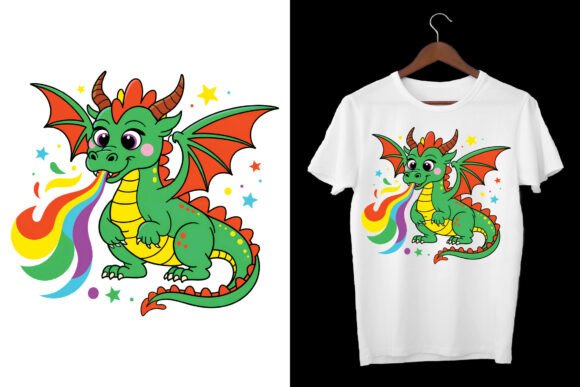
As a digital publisher, my first task when evaluating any new graphic design asset is to visualize it in a real editorial context. The Cute Cartoon Dragon Rainbow Fire T-shirt design immediately strikes a specific, valuable mood. It is playful, artistic, and boldly decorative. This isn’t a generic graphic; it carries a distinct personality that can instantly telegraph the tone of your content to a reader before they even read a headline.
The Editorial Mood: Playful & Artistic Branding
When you place this dragon graphic on a blog header or a Pinterest pin, you’re communicating a niche. This design naturally supports content focused on creativity, fantasy, children’s activities, DIY crafts, vibrant lifestyle topics, and artistic entrepreneurship. It feels modern and clean despite its decorative elements, thanks to the crisp cartoon style and the rainbow fire’s clear color blocks. For a publisher, this means it can elevate content that needs to feel approachable and fun without seeming amateurish. Reader perception shifts from “this is a serious tutorial” to “this is a creative and engaging guide.” Trust is built through visual polish and clear thematic alignment.
Real Publishing Applications: Beyond the T-Shirt
While the product description notes it’s perfect for apparel and gifting, its utility in my publishing workflow is far broader. Here are concrete ways I would deploy this design asset:
- Featured Blog Images & Article Headers: This graphic becomes a powerful hero image for posts about creative projects, printable crafts, or fantasy-themed content. Its central character creates a strong focal point.
- Pinterest Graphics & Social Media Previews: The bold colors and cute character are ideal for Pinterest pins and social media graphics, demanding attention in a crowded feed and improving click-through potential.
- Downloadable Resource Covers: Use it as the cover art for digital guides, worksheets, or eBooks on topics like “Rainbow Craft Ideas for Kids” or “Designing Your Fantasy Brand.” It makes your lead magnet look professional and thematic.
- Newsletter Banners & Category Thumbnails: As a banner in a creative entrepreneur’s newsletter or as a thumbnail for a “Fantasy & Fun” blog category, it reinforces visual identity and category recognition.
- Canva Templates for Affiliate Content: Integrate the graphic into Canva templates for affiliate marketers promoting creative products, providing a consistent, branded look for all promotional visuals.
- Website Accents & Editorial Layouts: Use it as a decorative accent in sidebar graphics or within editorial layouts to break up text and maintain a playful visual rhythm.
Where This Design Asset Performs Best
For maximum impact, focus on applications where the design’s personality and color can shine:
- Hero images and website headers on desktop views.
- Large, standout Pinterest pins.
- Blog graphics accompanying short, engaging articles.
- The covers of content upgrades and downloadable printables.
- Newsletter headers for a creative audience.
- Social media previews for link-sharing.
Considerations for Careful Use
Every graphic design asset has contexts where it might not fit. This cute dragon design should be used carefully in:
- Very small mobile thumbnails, where the intricate rainbow fire details may become muddy.
- Text-heavy blog images where the graphic needs to sit behind paragraphs; its bold colors could compete with readability.
- Low-contrast backgrounds that might dull its vibrancy.
- Busy layouts where it adds to visual clutter rather than creating hierarchy.
- Serious professional niches like corporate finance or medical blogs; its playful tone would clash.
- Websites with a deliberately minimal, austere visual system.
Supporting Content Performance & Reader Trust
Integrating a strong graphic like the Cute Cartoon Dragon design directly supports key publishing goals:
- Stronger First Impression: It grabs attention instantly, making your content page or social post look lived-in and designed.
- Clearer Visual Hierarchy: The dragon acts as a natural focal point, guiding the reader’s eye.
- Better Click-through Potential: On platforms like Pinterest or in email newsletters, a distinctive, colorful graphic stands out.
- More Consistent Branding: Repeated use across blog graphics, social media, and digital products builds a cohesive, recognizable brand identity for creative businesses.
- Improved Reader Trust: Polished, appropriate visuals signal professionalism and care, increasing engagement.
- More Professional-Looking Content Pages: It transforms a blank header or a generic download cover into a custom-designed element.
Practical Publisher Notes Before You Hit Publish
Before committing this asset to a live project, run these real-world tests:
- Preview it on both desktop and mobile screens to ensure the colors remain vibrant and the character recognizable at all sizes.
- Check how it looks as a tiny thumbnail (e.g., in a blog post list). Does it still convey its essence?
- Drop it into a real blog layout draft alongside your headline. Test contrast and readability by placing headline text over or near it.
- Experiment with font pairings. Place it beside a serif font for a classic-creative mix, a clean sans-serif for modernity, or a playful script font to amplify the whimsy. See how it interacts.
- Review the file size. For web performance, always compress images properly. A large graphic can slow page load times, hurting SEO and user experience.
- Crucially: Confirm the commercial licensing terms before using it on monetized websites, affiliate pages, or within paid content products like digital guides. Not all marketplace graphics include broad commercial use.
This dragon design, described as a bold and creative touch for apparel, is equally a bold and creative touch for editorial design. It blends artistic charm with modern clarity. For bloggers, content creators, and digital marketers in creative niches, it’s more than a t-shirt graphic; it’s a versatile tool for building a visually engaging, trustworthy, and performance-driven content ecosystem.